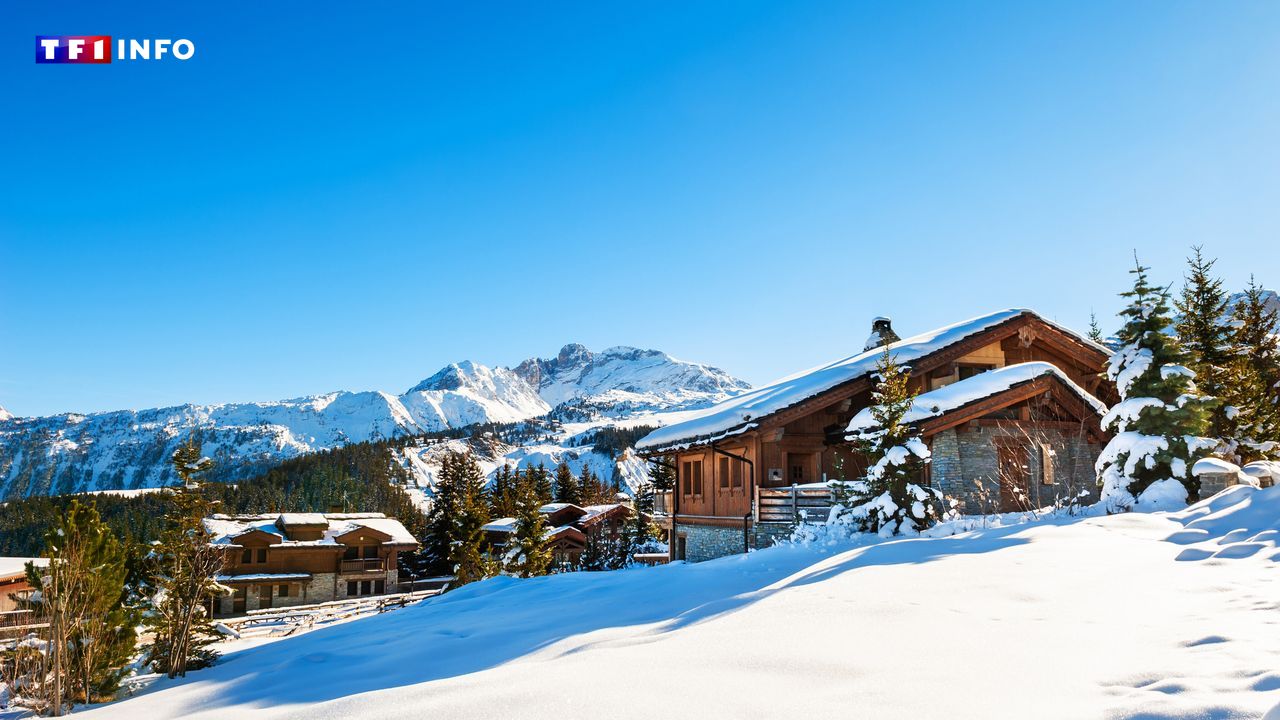
The allure of a winter wonderland, fresh powder, and crisp mountain air draws countless families and adventurers to ski resorts each year. A ski holiday promises a much-needed escape, a chance to unwind, and create cherished memories. Yet, beneath the picturesque facade of snow-capped peaks and cozy chalets, a darker trend is unfortunately on the rise: ski trip scams. What should be a carefree retreat is increasingly becoming a hunting ground for fraudsters, turning dream vacations into nightmares. From fraudulent accommodation listings to fake instructors, these arnaques stations ski (ski resort scams) are a growing concern for holidaymakers. Protecting your mountain getaway requires vigilance and a clear understanding of the threats.
The Harsh Reality: Why Ski Resorts Are Prime Targets for Scams
While the image of a ski resort is one of idyllic charm, the reality is that these popular destinations present fertile ground for scammers. Sébastien Mérignargues, the director of Avoriaz 1800, a renowned resort in Haute-Savoie, frankly admits, "C'est malheureusement un problème très étendu et connu de toutes les stations de ski." (It's unfortunately a very widespread problem known by all ski resorts.) This candid confession underscores the severity and prevalence of these fraudulent activities.
Several factors contribute to this vulnerability:
- High Financial Stakes: Ski holidays are often significant investments, encompassing accommodation, lift passes, lessons, equipment rental, and travel. The high value of these services makes them attractive targets for those looking to defraud.
- Emotional Investment: Tourists planning a ski trip are often in a holiday mindset, eager for relaxation and less inclined to be overly suspicious. This emotional anticipation can lower their guard, making them more susceptible to enticing, but ultimately fake, offers.
- Urgency and Demand: Peak season bookings for chalets and apartments fill up quickly, creating a sense of urgency. Scammers capitalize on this by offering "last-minute deals" or seemingly available properties that are, in fact, non-existent.
- International Reach: As Mérignargues highlights, many fraudsters operate from abroad, using masked IP addresses, making them incredibly difficult to trace and prosecute. Victims often return home feeling helpless, believing there's no solution, which means the reported cases are merely "the tip of the iceberg."
The combination of high demand, significant financial transactions, and a relaxed consumer mindset creates a perfect storm for various fake chalets and instructors and other types of ski resort scams to flourish.
Common Arnaques Stations Ski: What to Watch Out For
Understanding the common tactics employed by scammers is your first line of defense. While the schemes are always evolving, certain types of arnaques stations ski have become particularly prevalent:
Fraudulent Accommodation Listings
This is arguably the most heartbreaking scam, as it leaves families stranded without a place to stay upon arrival. Scammers create convincing fake listings for chalets, apartments, or hotel rooms that either don't exist, are already booked, or are not for rent by the scammer. They often use high-quality photos stolen from legitimate listings and offer prices that are "too good to be true."
- The Modus Operandi: Victims typically find these listings on fake websites, social media, or less reputable classified sites. After paying a deposit, or even the full amount, they receive a confirmation that later vanishes along with the scammer. Upon arrival, they discover the address is fake, belongs to an unsuspecting homeowner, or the legitimate owner has no record of their booking.
- Red Flags: Unusually low prices, requests for payment via untraceable methods (bank transfers to personal accounts, cryptocurrency), poor grammar in communications, lack of a legitimate address or phone number, and high-pressure tactics to book quickly are all major warning signs.
Fraudulent Ski Instructors
Beyond accommodation, the slopes themselves can harbor danger in the form of fake ski instructors. These individuals often lack the necessary certifications, training, and insurance, posing a significant risk to your safety and learning experience.
- The Danger: Learning from an unqualified instructor can lead to improper technique, injury, and even serious accidents due to a lack of understanding of mountain safety, emergency protocols, or the appropriate teaching methods for different skill levels. It's also illegal in many jurisdictions for individuals to teach without proper certification.
- How They Operate: They might solicit clients directly on the slopes, at the base of lifts, or through informal online groups, often offering significantly cheaper rates than official ski schools.
Other Emerging Ski Resort Scams
While accommodation and instructors are primary targets, fraudsters constantly adapt their methods:
- Fake Lift Passes: Scammers may attempt to sell non-existent, expired, or stolen lift passes, often at a discount. These passes will either not work or get you into trouble with resort staff.
- Equipment Rental Scams: Some unscrupulous operators might charge for non-existent damage to rented equipment, or run fake rental companies that take your money but provide no gear.
- Phishing and Malware: Be wary of suspicious emails or messages claiming to be from your resort or booking agent, especially if they ask for personal details or payment information. Fake Wi-Fi hotspots can also capture your data.
Your Defense Strategy: Essential Tips to Avoid Getting Duped
Navigating the potential pitfalls of arnaques stations ski requires a proactive and cautious approach. Here are essential tips to safeguard your mountain getaway:
1. Verify Accommodation Listings Rigorously
- Book Through Reputable Channels: Always use official resort websites, well-known and established travel agencies, or major, secure booking platforms that offer consumer protection.
- Cross-Reference Information: If you find a listing elsewhere, try to verify it on the official resort website or contact the resort directly to confirm the property's legitimacy and the owner's details. Use Google Street View to check the address.
- Look for Legitimate Contact Information: A real property owner or agency will have a verifiable phone number, physical address, and professional email. Be suspicious if communication is only possible through anonymous messaging apps or generic email addresses.
- Request a Video Tour: A legitimate owner should be able to provide a live video tour of the property. If they refuse or make excuses, consider it a major red flag.
- Read Reviews & Verify Sources: Don't just rely on reviews on the listing site itself. Check independent review platforms. Be wary of listings with only glowing, generic reviews or no reviews at all.
2. Secure Your Ski Instructor Bookings
- Book Through Official Ski Schools: The safest way to secure lessons is by booking directly with the official ski school associated with the resort (e.g., ESF in France, various national ski schools).
- Verify Certifications: Reputable ski schools employ certified instructors. If you're considering an independent instructor, always ask to see their national and international certifications and insurance.
- Avoid Unsolicited Offers: Be very cautious of individuals approaching you on the slopes or in town offering significantly cheaper lessons.
3. Protect Your Lift Passes and Equipment Rentals
- Purchase Directly: Buy your lift passes exclusively from the resort's official ticket offices, designated kiosks, or their secure online portal. Avoid third-party sellers offering unusual discounts.
- Choose Established Rental Shops: Rent your ski or snowboard equipment from well-known, reputable rental shops within the resort or associated with trusted retailers. Read reviews and understand their terms and conditions carefully before signing.
4. Practice Smart Payment Habits
- Avoid Untraceable Payments: Never pay for accommodation or services via untraceable methods like direct bank transfers to personal accounts, cryptocurrency, or wire transfers. These offer little to no recourse if you're scammed.
- Use Credit Cards: Credit cards offer consumer protection and fraud safeguards that can help you dispute charges if you fall victim to a scam. Secure online payment gateways are also generally safer.
- Be Wary of Full Upfront Payments: While deposits are common, be cautious of demands for full payment far in advance, especially from unverified sources.
5. Maintain General Vigilance
- If It Sounds Too Good to Be True, It Probably Is: This age-old adage holds particularly true for ski holiday deals. Unbelievably low prices for prime locations or dates are almost always a scam.
- Check for Secure Websites (HTTPS): Always ensure that any website where you enter personal or payment information has "https://" in the URL and a padlock symbol, indicating a secure connection.
- Trust Your Gut: If something feels off or makes you uncomfortable, pause and investigate further. Don't let the excitement of planning override your common sense.
What to Do If You're Scammed
Even with the best precautions, scams can happen. If you suspect you've been a victim of arnaques stations ski, swift action is crucial:
- Contact Your Bank/Credit Card Company Immediately: Report the fraudulent transaction and inquire about their dispute resolution process.
- Gather All Evidence: Collect screenshots of listings, email correspondence, payment receipts, and any other relevant communications.
- Report to Local Authorities: File a police report with the local authorities at the ski resort. While recovery can be challenging, official reports help track perpetrators and prevent future crimes.
- Inform Resort Management: As Sébastien Mérignargues suggests, informing resort management, even if you don't expect a direct solution, helps them monitor trends and warn other visitors.
- Report to Consumer Protection Agencies: Depending on your location, there may be national or international consumer protection bodies that can assist or log your complaint.
Conclusion
A ski holiday should be a joyous and memorable experience, not one marred by the anxiety and financial loss of scams. While the problem of arnaques stations ski is widespread and unfortunately growing, an informed and vigilant approach can significantly reduce your risk. By understanding common scams, choosing reputable booking channels, verifying details diligently, and trusting your instincts, you can protect your investment and ensure your time on the mountain is spent shredding powder, not stressing over fraud. Stay smart, stay safe, and enjoy the unparalleled beauty and thrill of your winter mountain getaway.